President – Dr Scott Matter
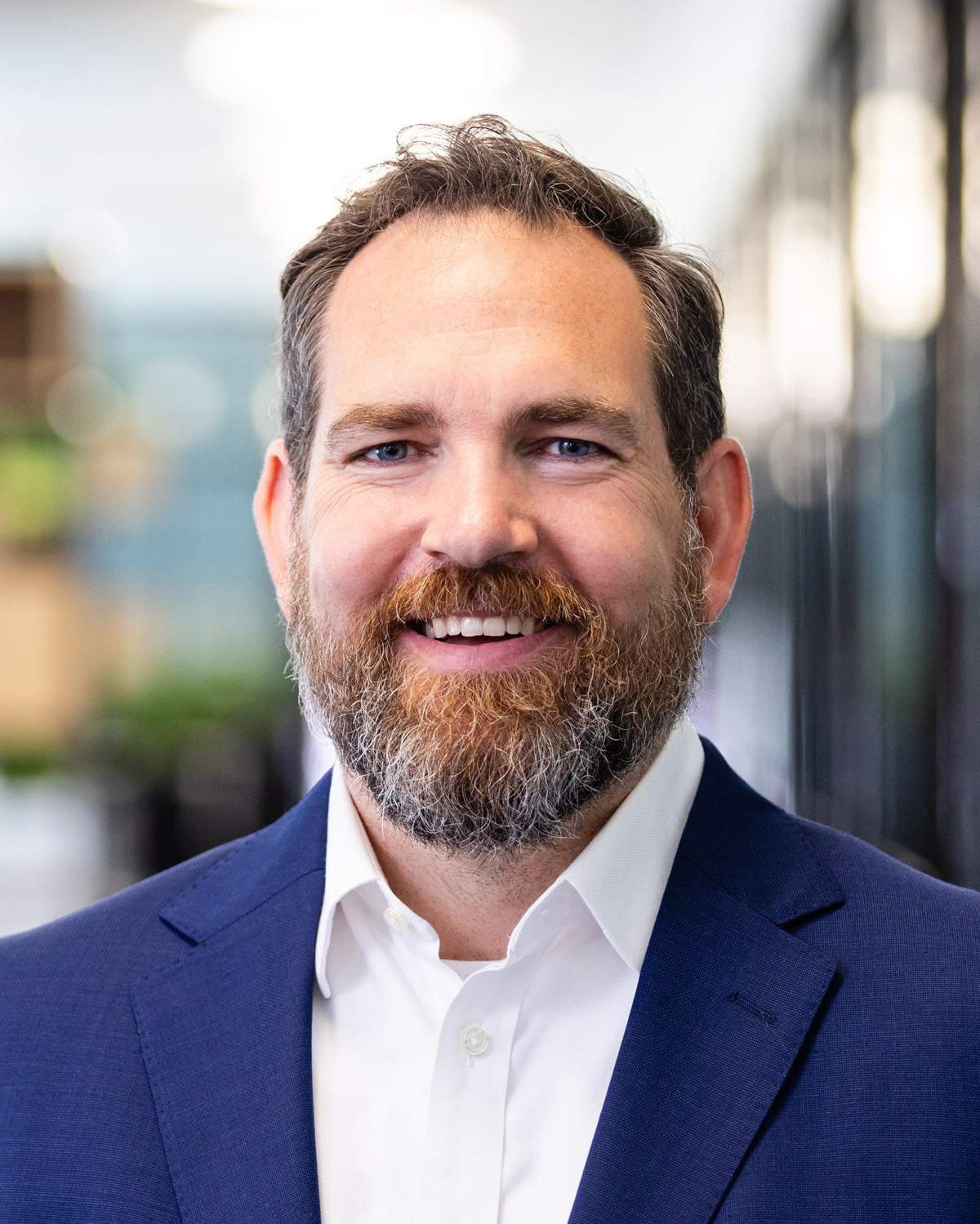 Scott is a Senior Lecturer in the TD School at University of Technology Sydney (UTS). His background is in sociocultural anthropology, weaving together political ecology, political and legal anthropology, anthropology of development, and anthropology of environment. His work also integrates anarchist, Buddhist, and eco-centric perspectives. He is particularly interested in:
- how community-led initiatives, community-based alternative practices, and community-engaged processes can influence systemic transformation;
- the relationships between worldviews, socio-material systems, and social practices; and
- how new ways of seeing, being, and doing can contribute to human and non-human flourishing in the present and over the long term.
Vice-President – David Hay

David has a Masters in Public Policy from Victoria University of Wellington and conjoint bachelors degrees in Commerce and Arts. He has 25 years experience as a policy analyst in central and local government, and as an independent consultant. He has a deep interest in how economic theory influences public policy decisions, and decision-makers.
Treasurer (& Public Officer) – Dr Boyd Blackwell
 As the recently elected Treasurer and past President, Boyd brings continuity, transparency and accountability to the Society into another biennial year. He joined the society as a young university student late in the last century and found the ‘esprit de corp’ with its members, conferences, intellectual discussions and research impact. Since joining the society, Boyd has been an active member and prior to becoming Treasurer, he was President (11 years) and Treasurer (3+ years). Today is no different, with members of the society making significant ‘local to global’ transformative contributions to all areas of society and the economy. Boyd belongs to ANZSEE because he believes in the philosophy of combining principles of ecology and economics and working in multi-disciplinary teams to solve problems of global significance. He also believes that real community change comes from the people themselves and the groups that they develop like ANZSEE. Website:linkedin.com/in/dr-boyd-blackwell-8a372b38
Secretary – Dr David Sinclair
Executive Members
Professor Kamaljit K. Sangha
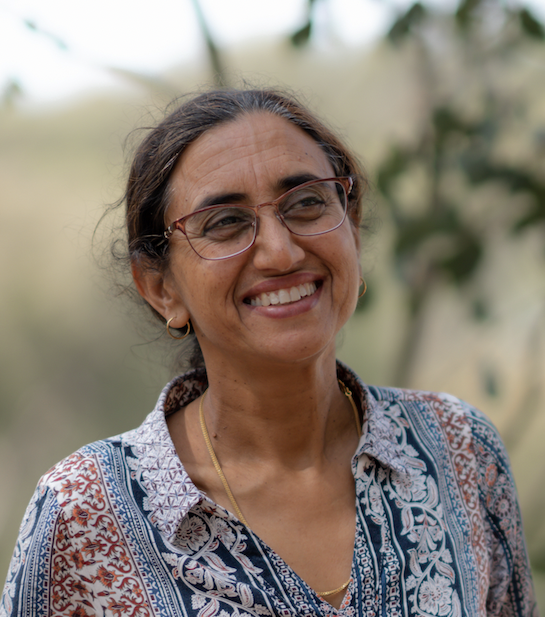 Kamaljit is a Professor of Ecological Economics at Northern Territory’s Charles Darwin University in Darwin. Her work mainly focuses on the Science-Policy interface. She has been working with Indigenous communities across northern Australia, especially on linking ecosystem services to people’s well-being and informing policy. Her research includes developing nature-based economies, assessing the value of ecosystem services and managing natural resources. She has been involved in several UN-led initiatives, including the Team Leader for an upcoming FAO–High Level Panel of Experts’ (on Food Security and Nutrition) global report on Indigenous Peoples’ food and knowledge systems, lead author of the Nexus IPBES Assessment, Geo-7 UNEP Report, and currently leads the IUCN-CEESP Nature-based Economies Group.
Dr Ben Robra
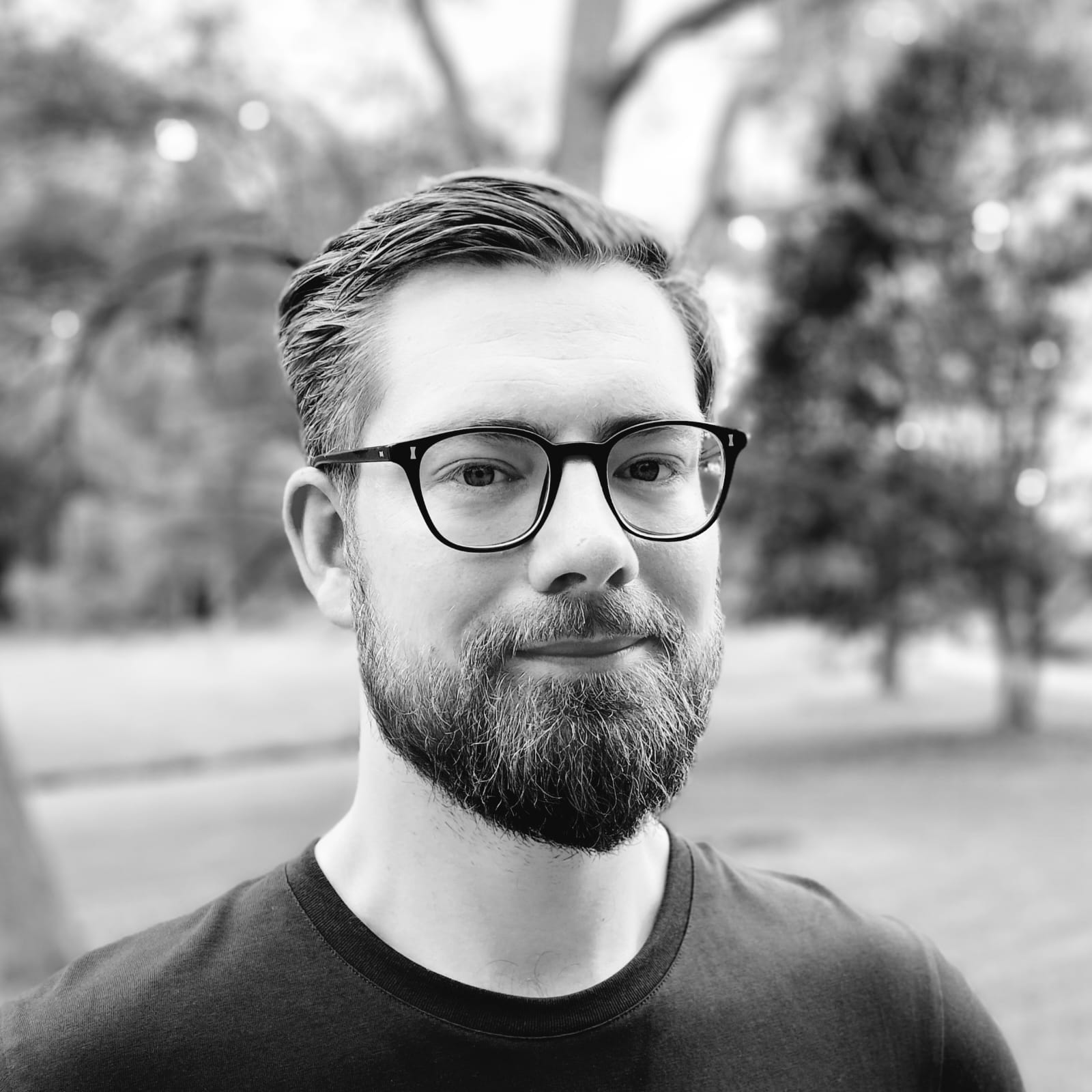 Ben is a lecturer in Organisation and Sustainability at the University of Queensland’s Business School in Brisbane. His teaching focuses on sustainability and innovation within businesses and other organisations. Ben’s research focuses on the intersection of organisations, innovation, and society through degrowth lenses. He’s particularly interested in the role of alternative organisations and their networks in helping to enable transformations towards sustainable degrowth futures. Ben holds a MSc in Ecological Economics and PhD in Sustainability from the University of Leeds, UK. In his work, Ben combines political economic and ecological perspectives with organisational level research, while borrowing from Marxist thought as well as social system theory. Ben is also a founding editor at the degrowth journal and a research fellow at the P2P Lab.
Dr Michael Walker
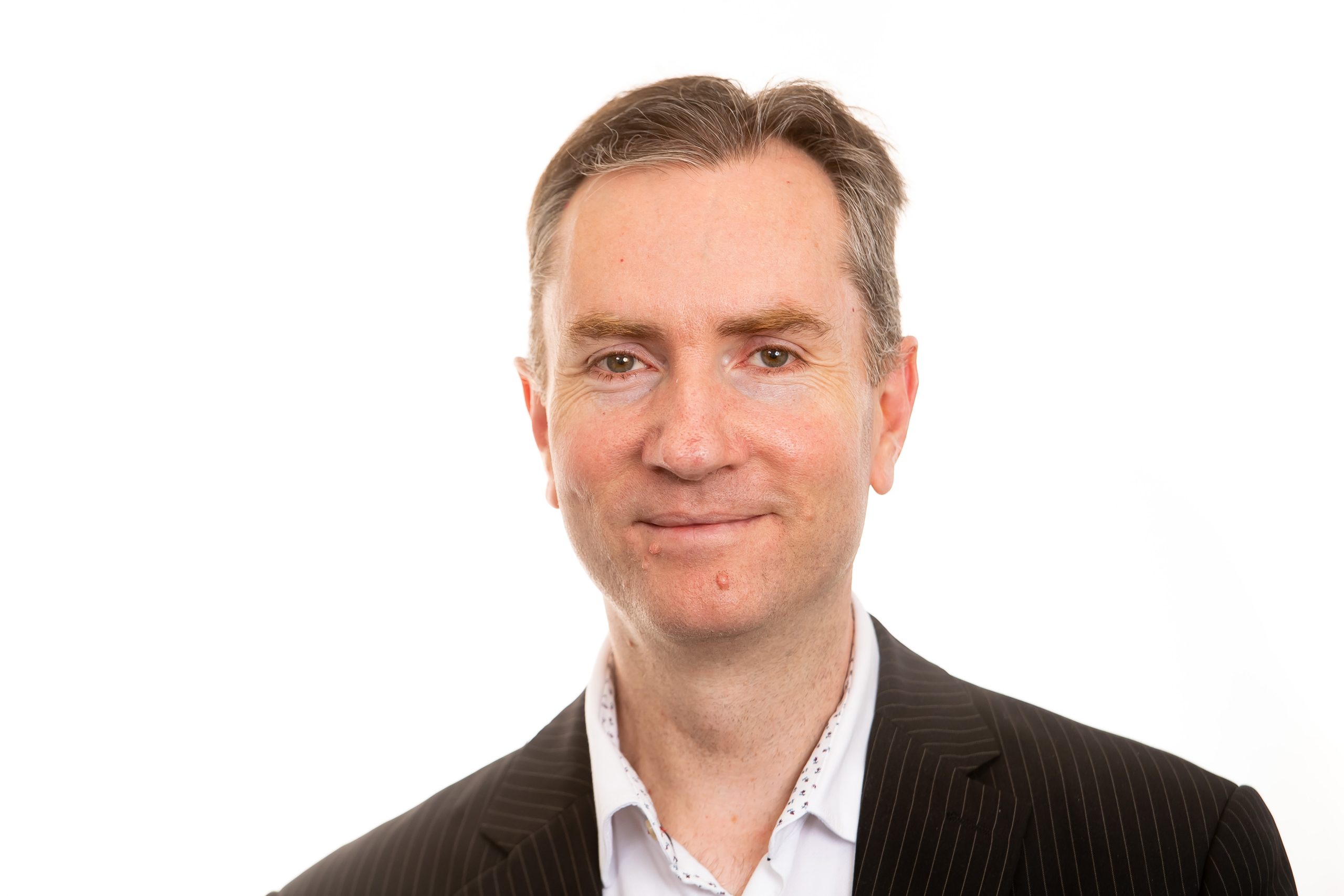 Michael is a Social Justice Facilitator at the Justice and Peace Office of the Catholic Archdiocese of Sydney where he is responsible for promoting understanding and action of ecology within the Church and collaborating with other agencies and organisations within and beyond the Church around ecological justice. Michael produced a kit for members of Catholic congregations to practice sustainability within their local parishes. He also convenes the Sydney Degrowth action group, a local action group within Degrowth Network Australia and is currently part of a research team exploring the effect of networking and scaling-wide of non-capitalist values amongst alternative organisations. Michael is interested in the material impacts of artificial intelligence, particularly data centres, and supported the Lane Cove Responsible Planning Group in their successful campaign to prevent a hyperscale data centre metres from protected bushland in the Lane Cove West business park.
Dr Anna (Anya) Phelan
 Anya is the Director of the UQ Global Change Scholars Program and Research Fellow at the University of Queensland Business School. Anya joined as a Treasurer of ANZSEE in 2018. She has twenty years professional and academic experience including collaborative interdisciplinary research and technical consulting, and her current research themes lie at the interface between ecological and behavioural economics and encompass: sustainable livelihoods, ocean plastic pollution, small-scale fisheries, and community-based ecotourism.
Communications Manager – soon to be vacant:
Please contact the executive team via anzseecom@gmail.com if you are interested in filling this position.
Lee Tan
 Lee is a Statistician and an Environment/International Development Consultant. Lee has worked in the environmental NGO sector for several decades, including over ten years as the Asia-Pacific Co-ordinator for the Australian Conservation Foundation. She has extensive experience in policy development and advocacy in Australia and at the international financial institutions (World Bank and Asian Development Bank) level. She also has hands-on experience working with local communities exploring alternative ecologically sustainable and culturally empowering livelihoods including community-based eco-tourism. Lee has links with a wide network of civil society organisations and contacts working towards ecological sustainability in the Asia-Pacific Region.
